

贝克曼密度梯度试剂
OptiMATE 氯化铯(CsCl)/碘克沙醇(Iodixanol)
专为密度梯度离心而设计的优质梯度液,非常适用于细胞、亚细胞组分(如质粒 DNA)和病毒颗粒等多种细胞类型的分离和纯化。这些试剂符合现行药品生产质量管理规范(cGMP)的内毒素水平和无菌标准要求。 密度梯度离心法是一项重要的实验技术,借助不同颗粒在密度梯度中的浮力密度或沉降系数差异来实现样品的分离,广泛应用于生物化学、分子生物学等领域。

选择 Density Gradient Reagents 型号
应用

生物大分子的分离
从复杂的混合物中高效分离 DNA、RNA、蛋白质等生物大分子。

病毒纯化
从病毒和病毒载体中高效分离和纯化不同衣壳类型,包括空衣壳、部分包装衣壳、完整衣壳和聚集体衣壳。
亚细胞结构的分离
高效分离不同质量的细胞器,如细胞核、线粒体、溶酶体和膜。

细胞分离
高效分离细胞以研究异质性样品中的不同细胞群。
| 速率区带 | 等密度 | 平衡区带 | |
|---|---|---|---|
| 分离方法 | 在预先配制的密度梯度中,基于不同物质的 S 值(沉降系数)实现分离 | 利用介质在离心过程中自然形成的连续密度梯度,基于不同物质的浮力密度差异实现分离 | 在预先配制的密度梯度中,基于不同物质的浮力密度差异实现分离 |
| 梯度类型 | 连续梯度(例如,线性蔗糖梯度) | 连续梯度(例如,CsCl 梯度) | 将样品分离成离散的、界限相对清晰的密度段或阶梯分层 |
| 常用梯度介质 | 碘克沙醇、蔗糖 | CsCl、碘克沙醇 | 碘克沙醇(更常见于病毒分离)、蔗糖 |
| 优势 | 可对具有相似 S 值的物质实现基于速率的高分辨率分离 | 基于密度差异实现高分辨率分离 | 基于密度差异一步实现纯化和浓缩 |
 |
 |
 |


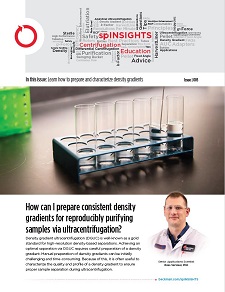
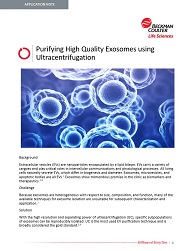


Related Products

Optima XPN-100
Discover the Optima XPN-100 ultracentrifuge—engineered for advanced performance, user-friendly controls, and enhanced productivity. Explore specs & details.

Optima™ Max-XP Tabletop Ultracentrifuge
Optima™ Max-XP Tabletop Ultracentrifuge delivers rapid, high-speed separations with advanced software, safety features, and flexible capacity. Shop now.

VTi 50.1 垂直转头包
VTi 50.1 垂直转头专为Optima 系列超速离心机而打造,通过快速的密度梯度分离,助您在更短的时间内获得更高的样品回收率。垂直转头路径长度最短,可在最短的运行时间内提供最高的离心分辨率,而坚固耐用的转头设计,可在不降低速度的同时,满足您更高密度的离心应用需求。


技术文件
FAQ on Density Gradient Media
How should OptiMATE reagents be stored?
Since the OptiMATE reagents are highly concentrated, both solutions should be stored at room temperature (20 °C).
How long do the reagents last from their date of manufacture?
The density gradient media have a shelf life of 18 months from date of manufacture.
How do I dispose of the reagents?
OptiMATE reagents should not be flushed down the drain. Cesium chloride and iodixanol solutions should be disposed of at an approved hazardous waste disposal plant according to your organization's waste disposal plan.
How do I decide between OptiMATE cesium chloride and iodixanol?
OptiMATE reagents are highly flexible and can be used for both step or linear (continuous) gradients to purify a variety of sample types. Cesium chloride is an ionic salt known for its high hygroscopicity, which results in low-viscosity solutions. It is commonly used in the purification of viruses and nucleic acids. In contrast, iodixanol is a non-ionic, highly viscous substance that is often gentler on particles with lipid membranes, such as cells and extracellular vesicles.


