
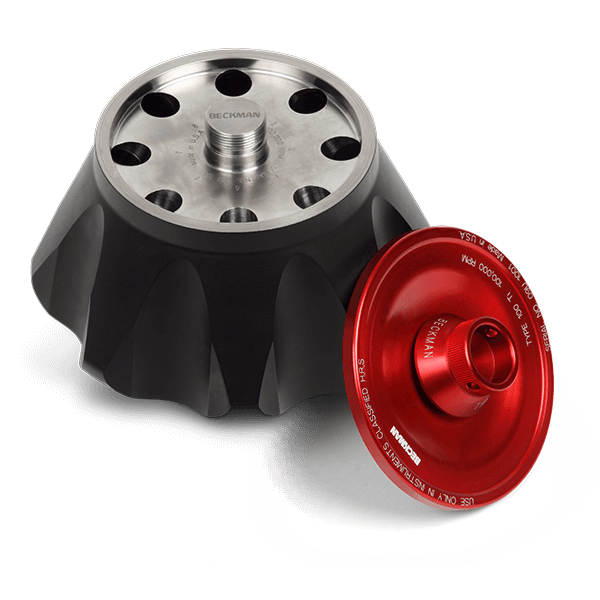
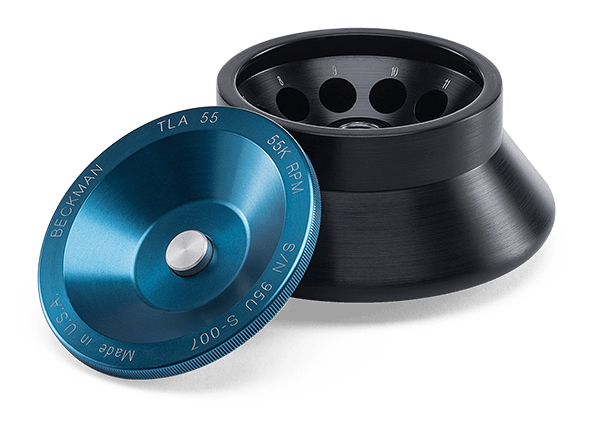
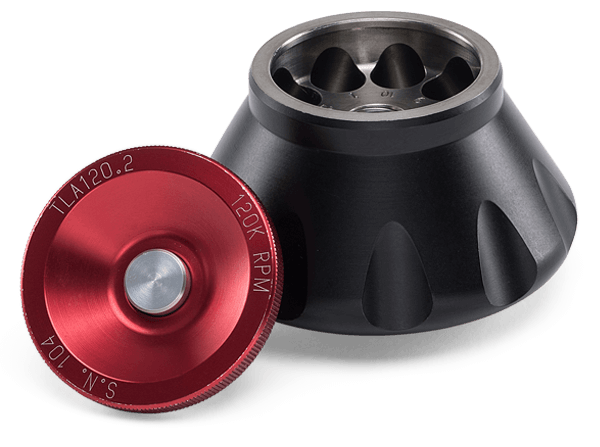
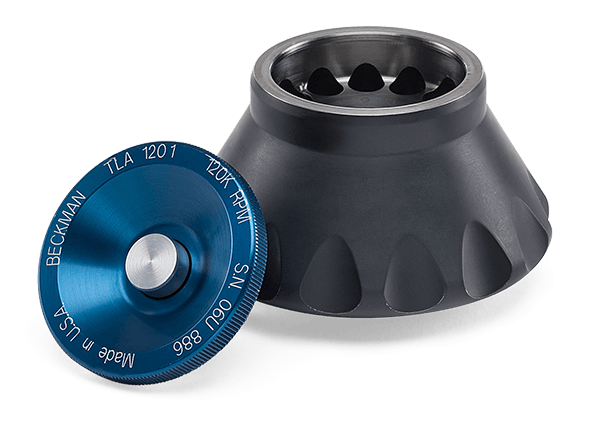
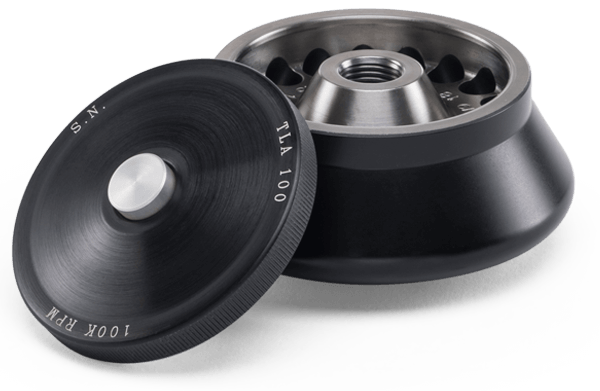
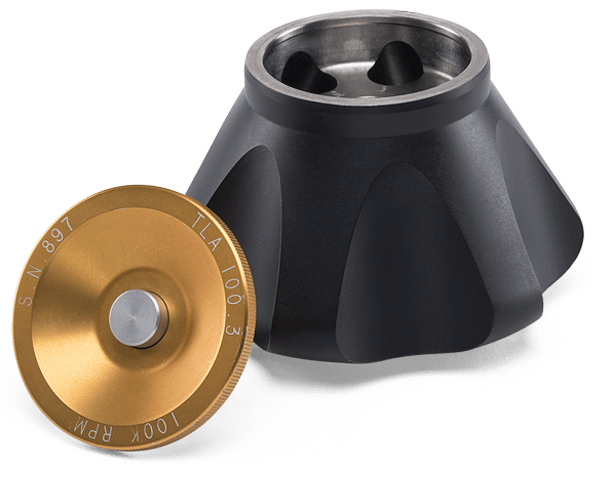
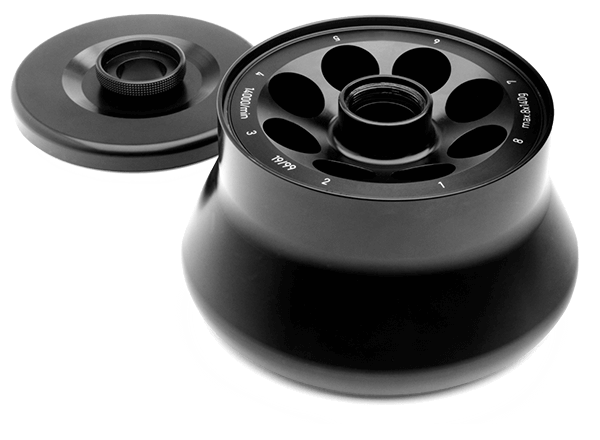
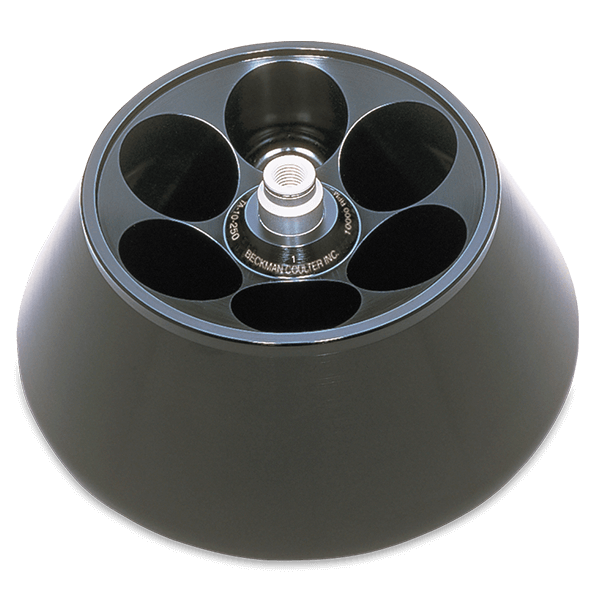
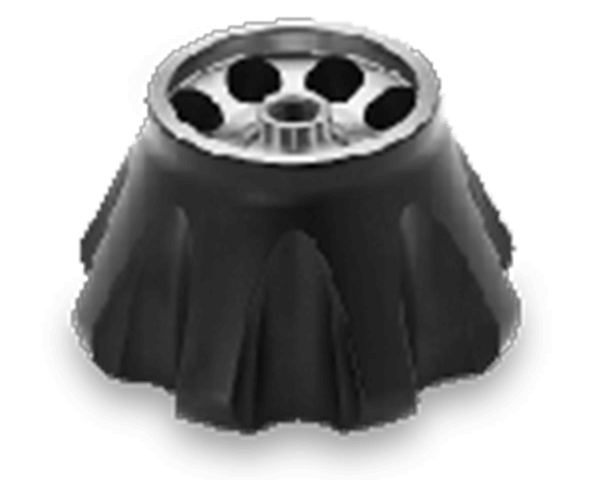
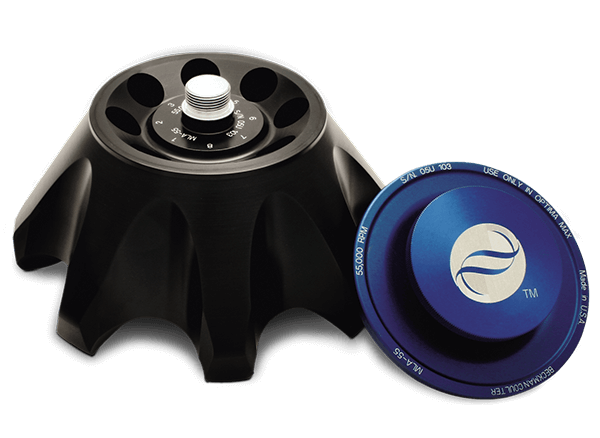
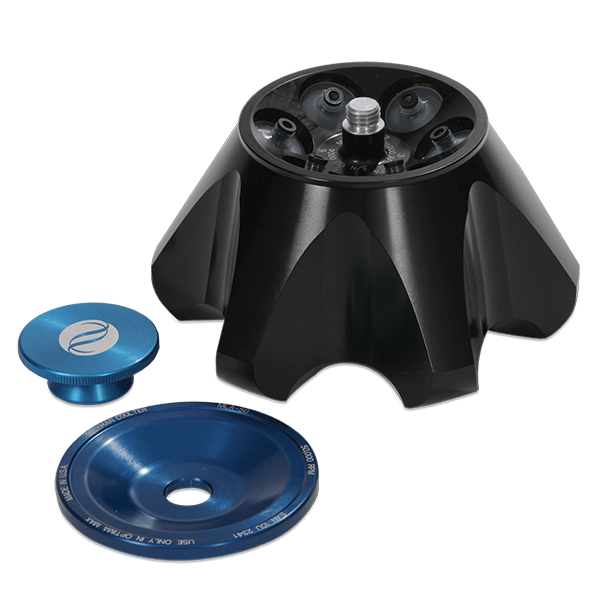
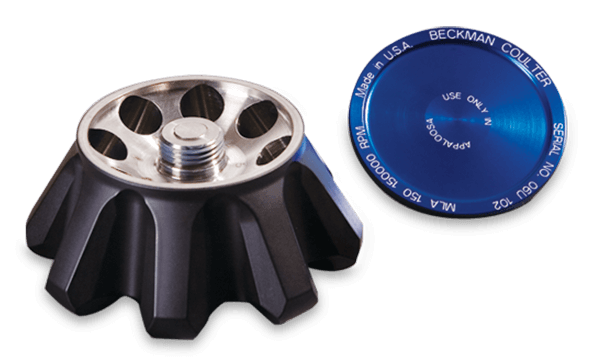
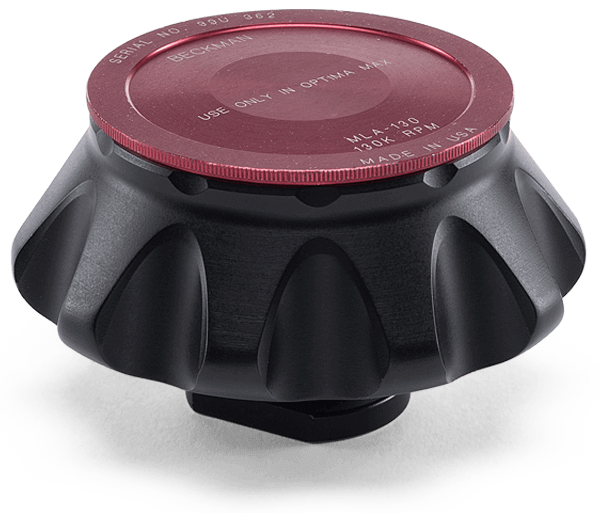
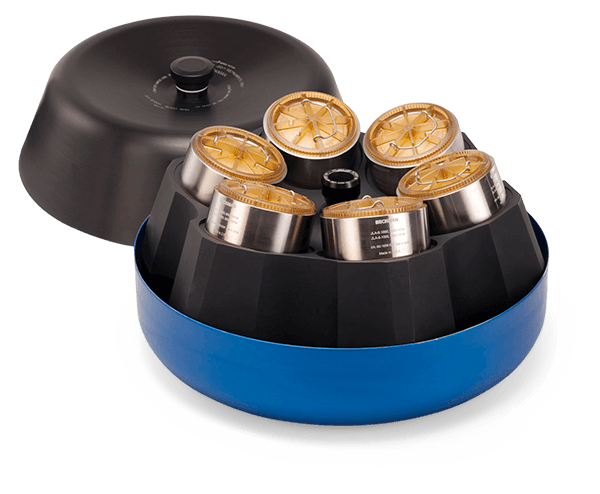
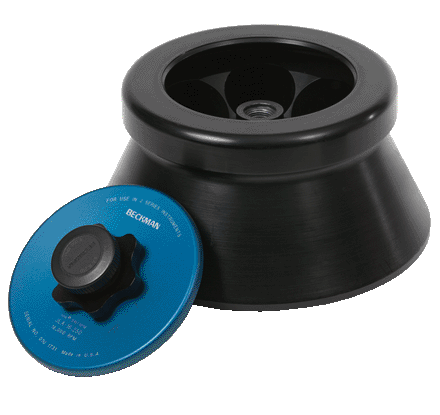
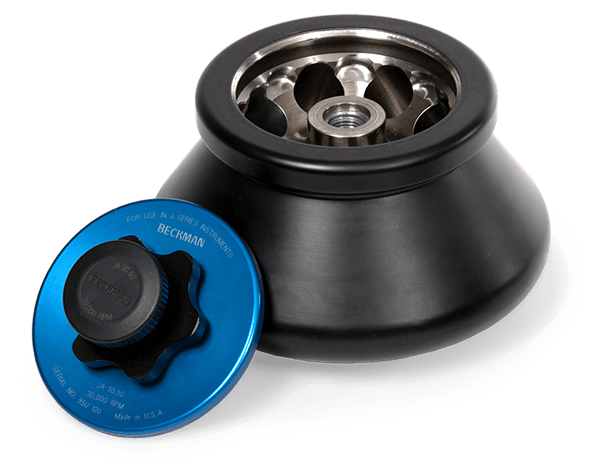
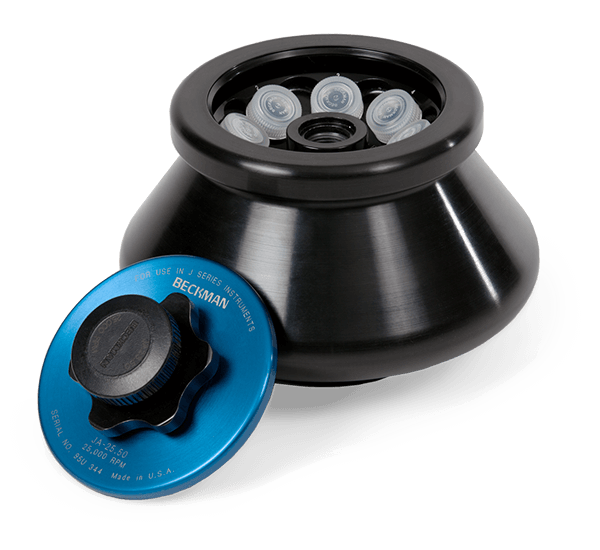
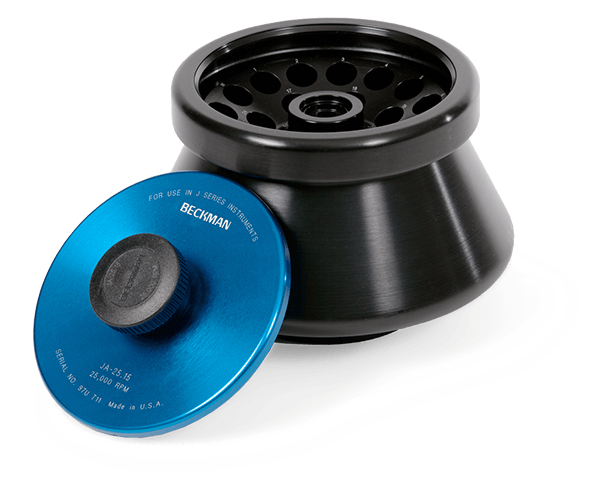
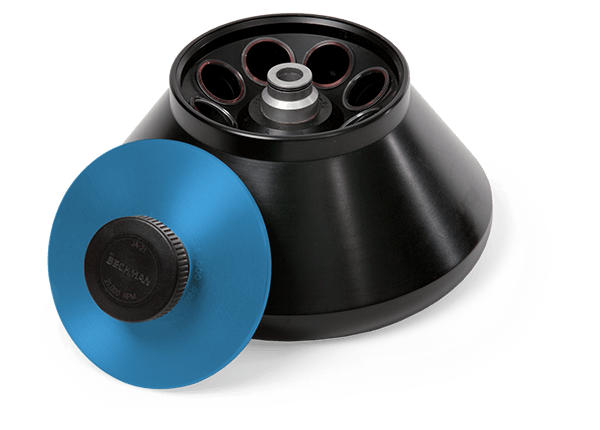
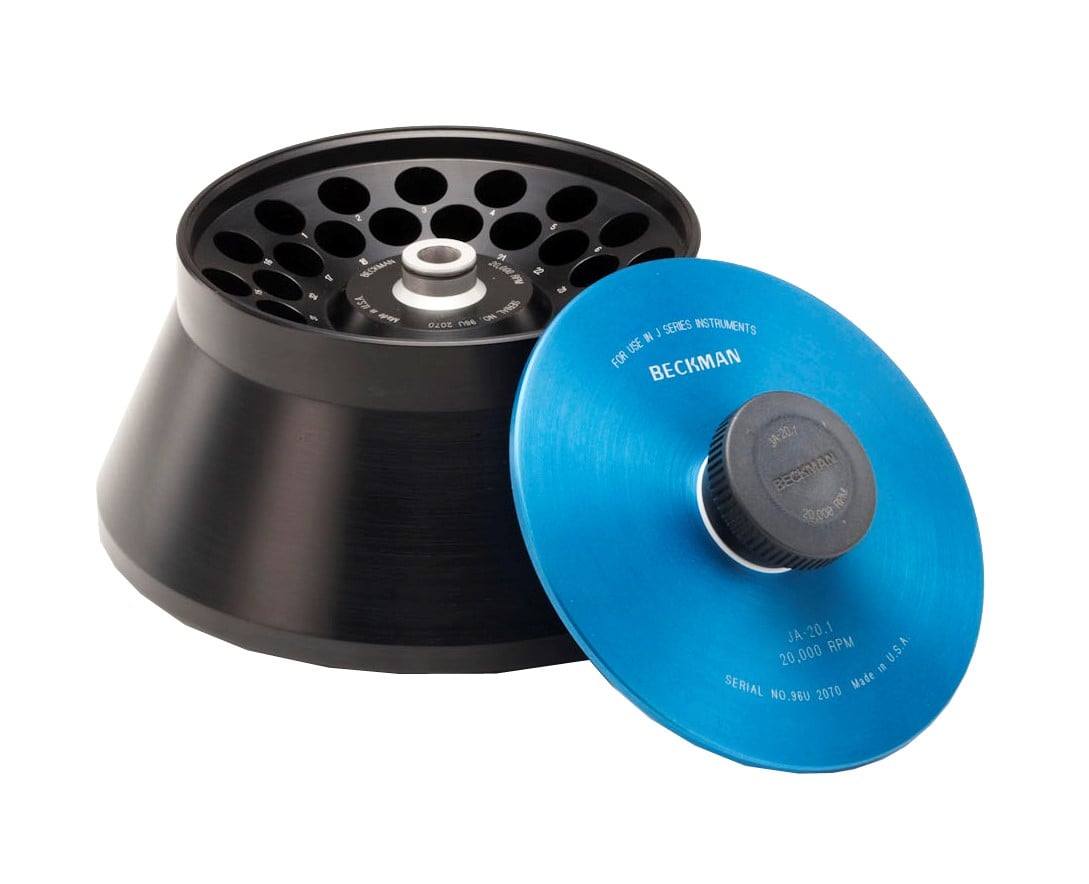
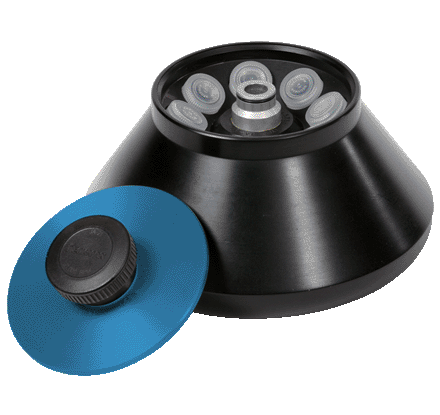
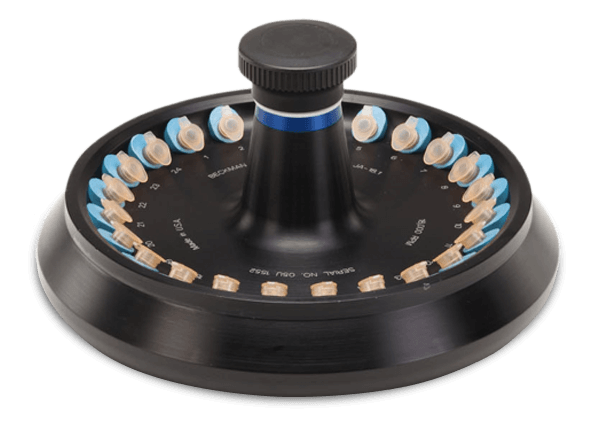
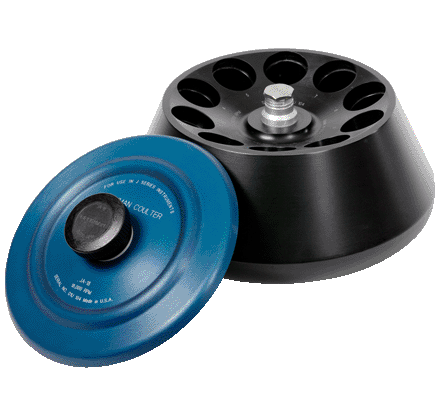
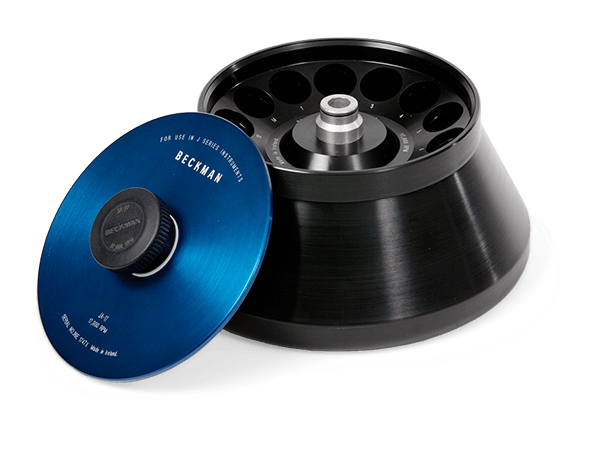
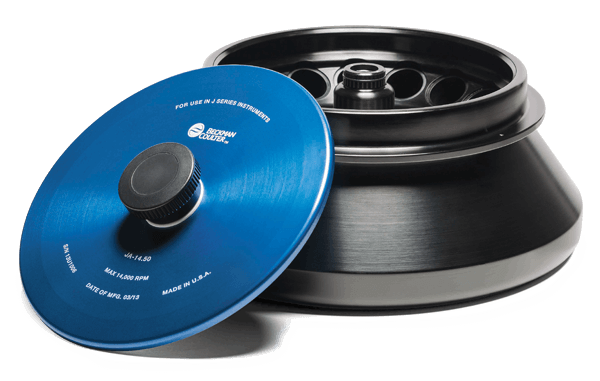
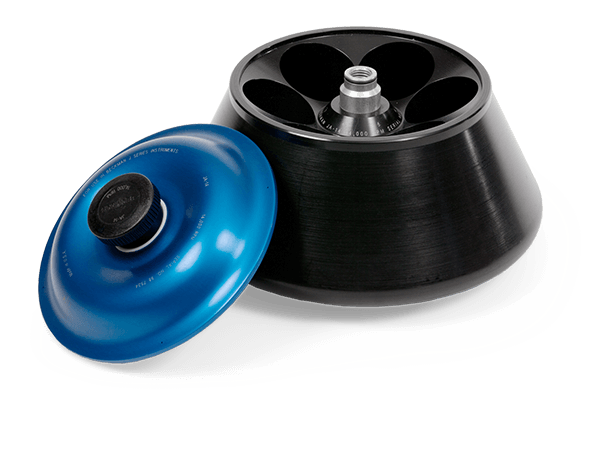
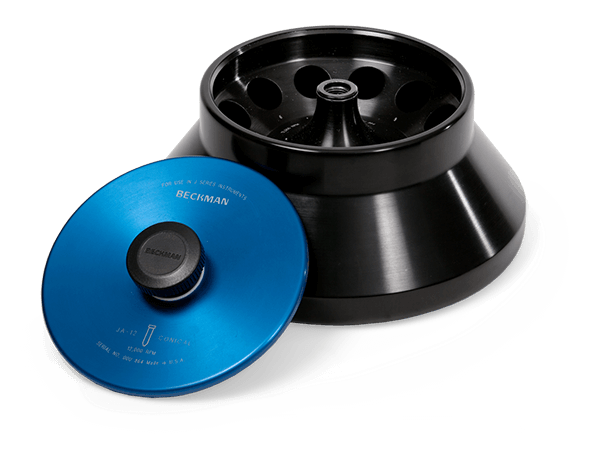
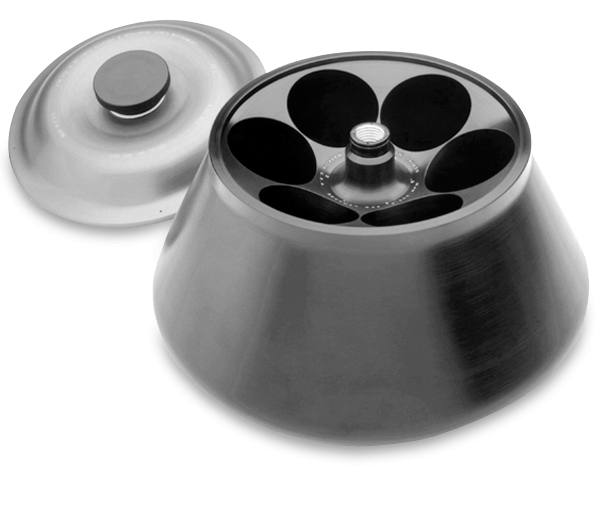
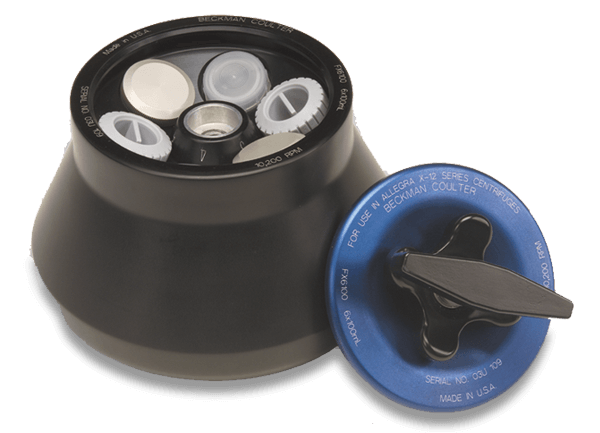
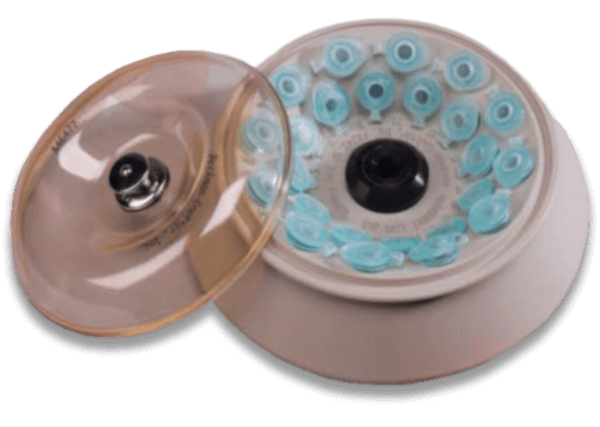
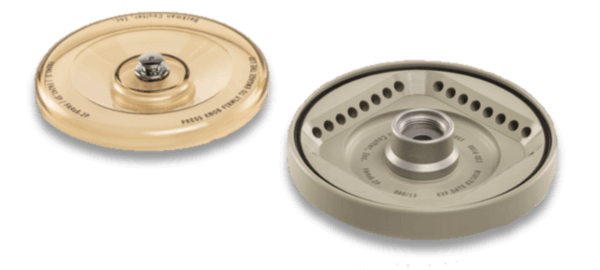
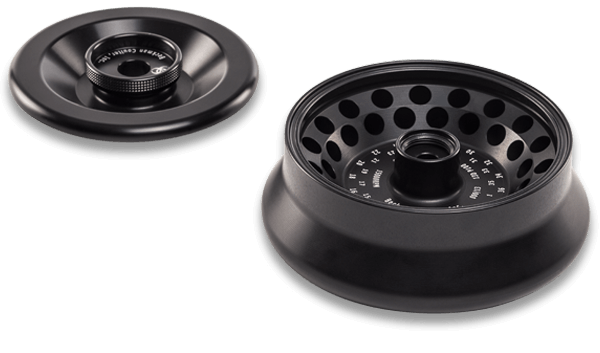
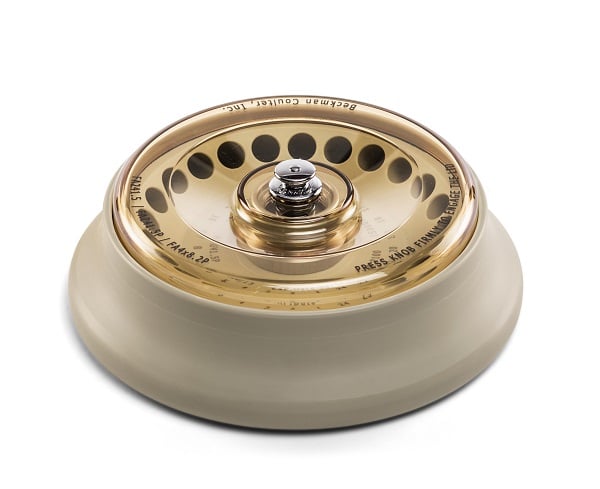
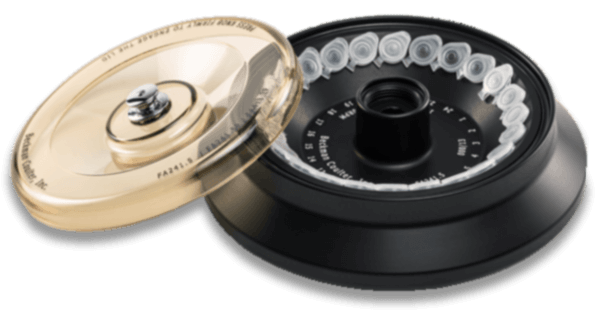
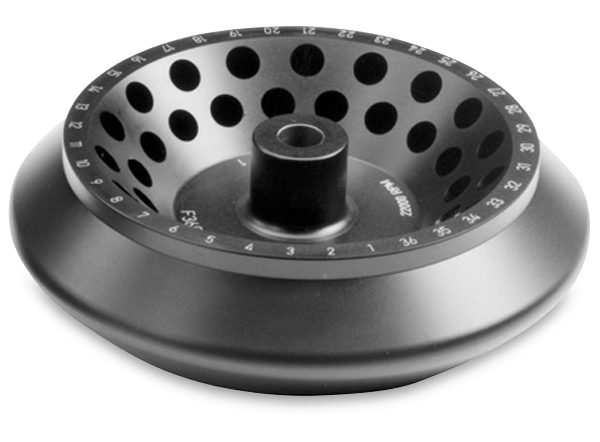
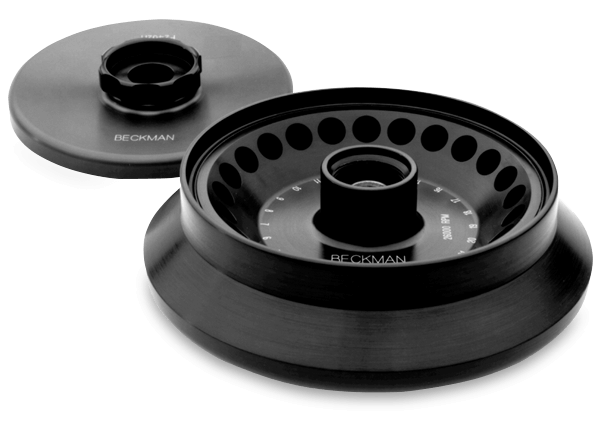
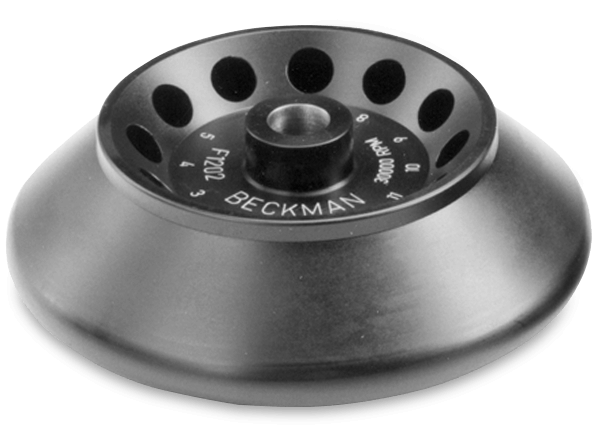
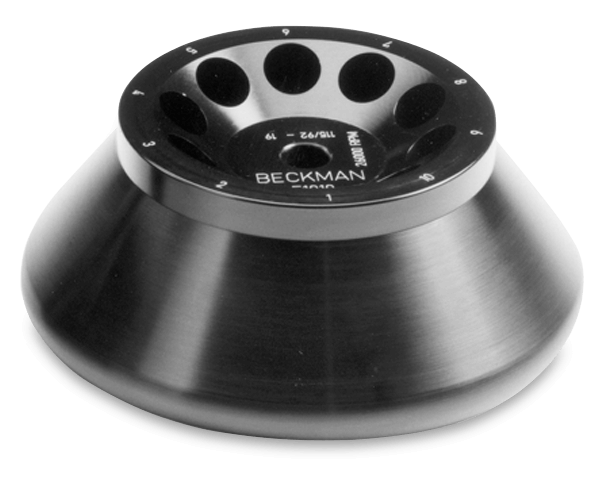
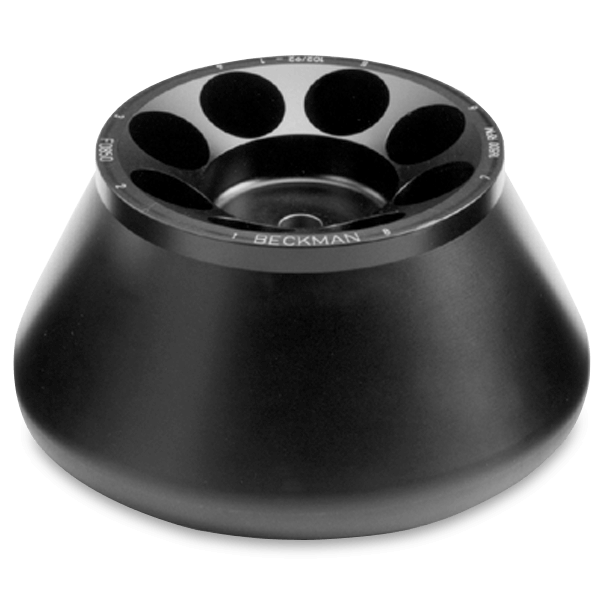
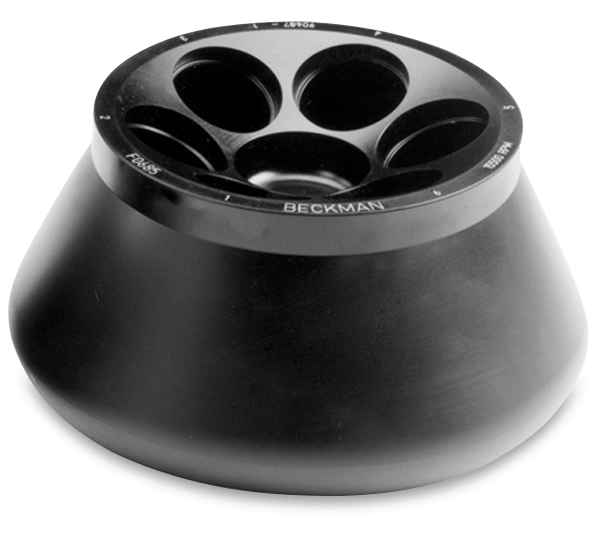
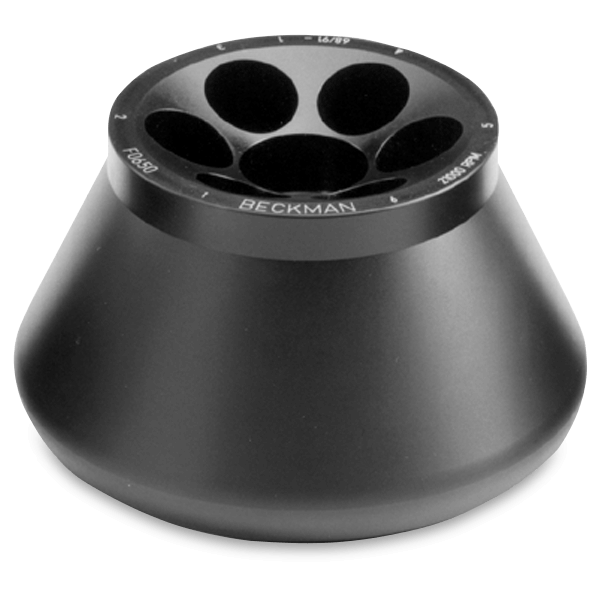
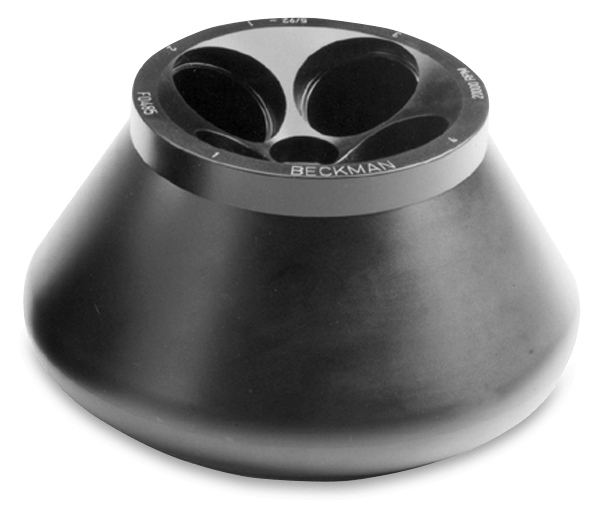
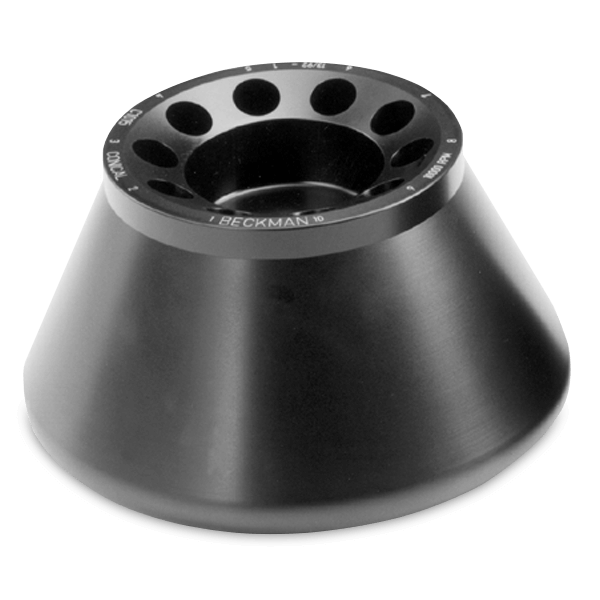
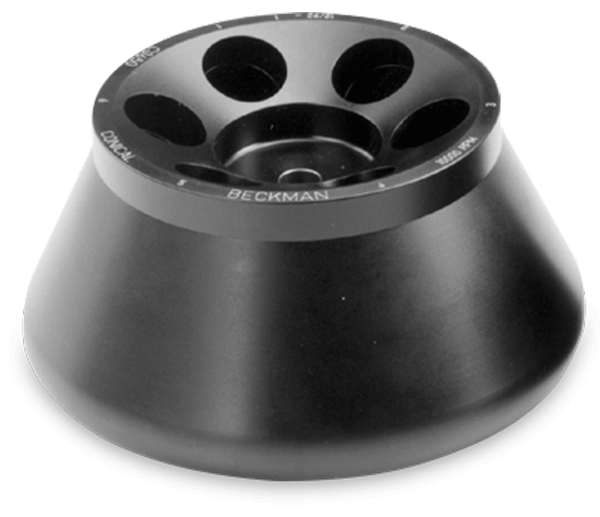
贝克曼离心机定角转子
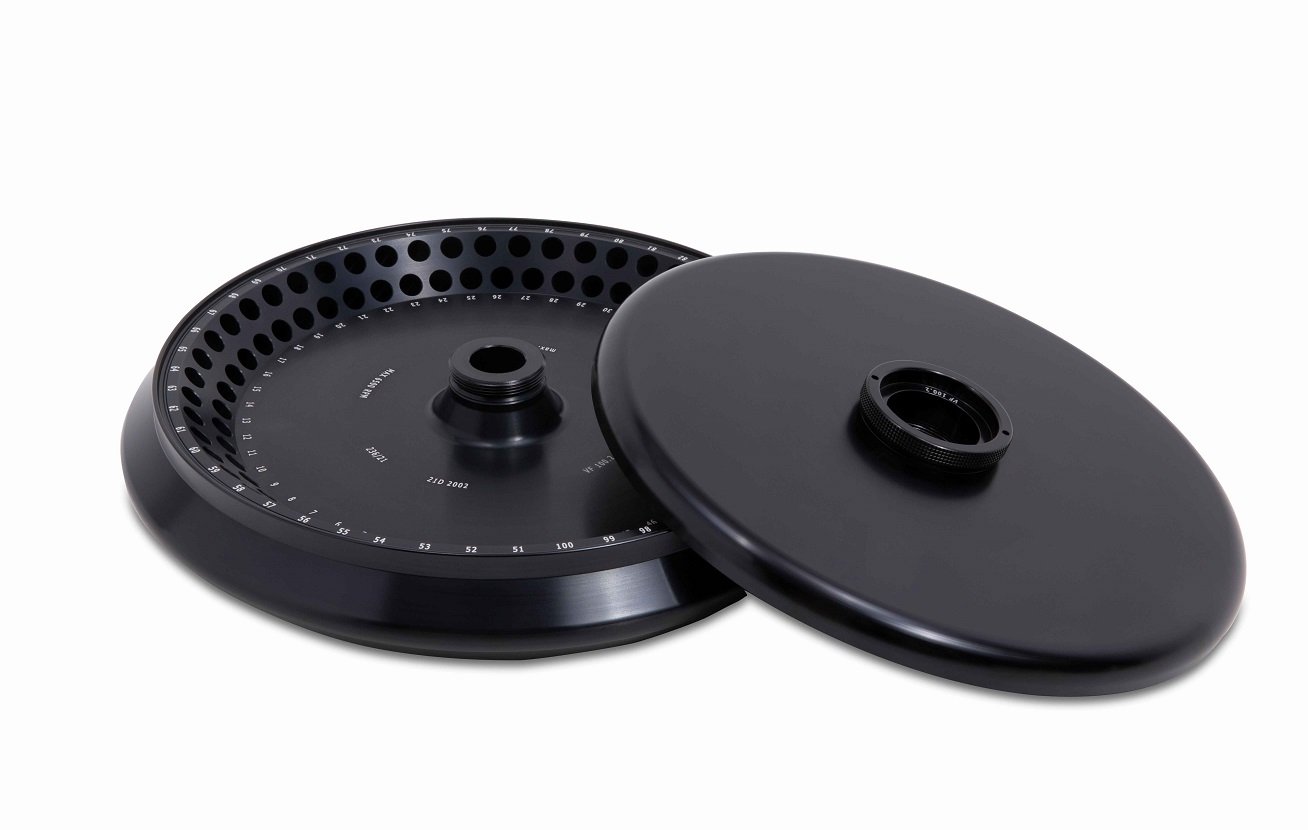
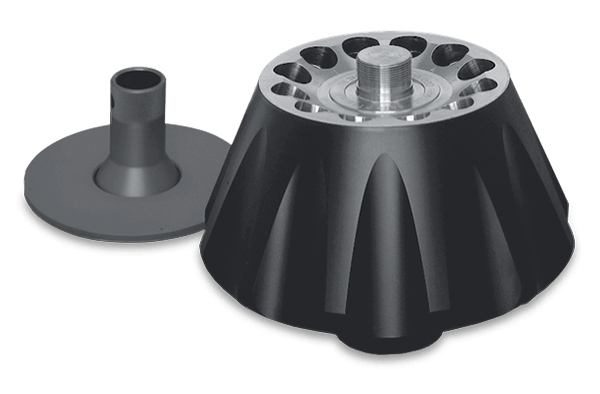
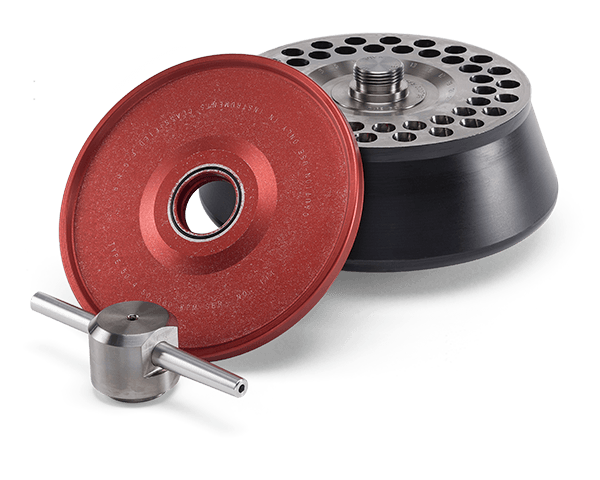
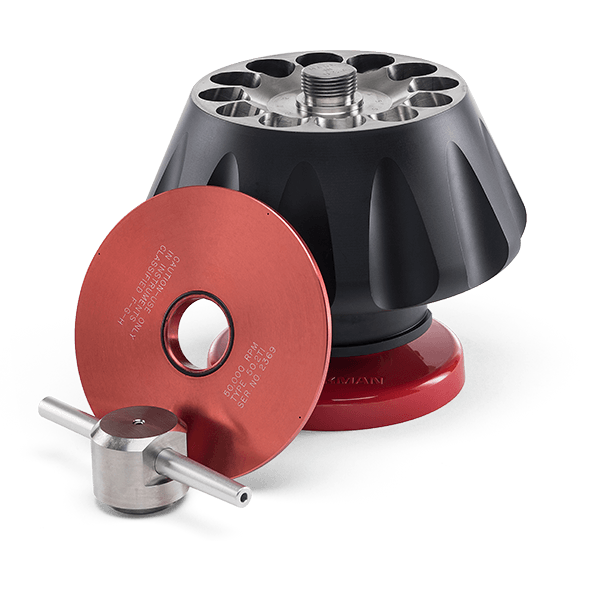
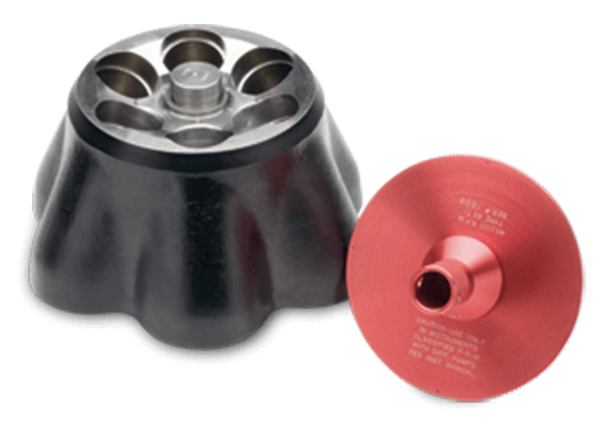
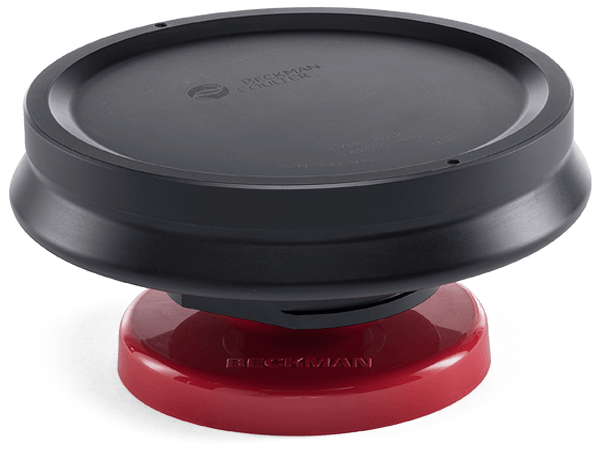
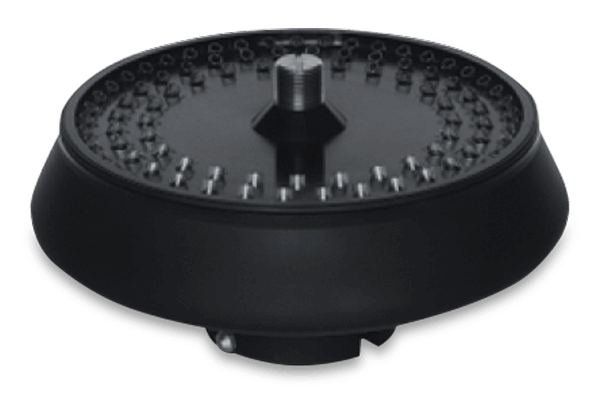
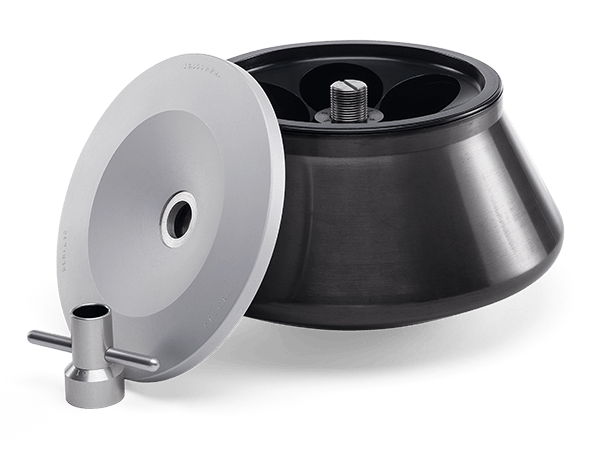
定角转子的功能特色为路径长度中等、快速运行时间以及优异的分辨率。
离心机定角转子上的离心管在旋转运行中保持固定角度,通常与垂直线成 23 - 38度。定角转子通常用于较高速度、用于小量至大量体积、用于沉淀应用,例如细菌与酵母菌,用于回收沉淀并由悬浮夜中移除颗粒,并丢弃残渣,以及用于 DNA 等密度条带分离。
沉淀时,您希望最终沉淀于离心管底部,因为这个位置允许轻易收集沉淀。为了简便取得沉淀,定角转子最为合适。














FAQ on Fixed-Angle Rotors
What is a fixed-angle rotor?
A fixed-angle rotor is a centrifuge rotor in which sample tubes remain positioned at a constant angle, typically between 20° and 45°, throughout centrifugation. During operation, particles move outward toward the side and bottom of the tube, forming a pellet along the tube wall. Fixed-angle rotors are commonly used when rapid pelleting and high throughput are required.
What is the difference between a fixed-angle rotor and a swinging-bucket rotor?
In a fixed-angle rotor, tubes remain at a fixed position during centrifugation, making the rotor well suited for rapid pelleting applications. In a swinging-bucket rotor, tubes swing outward to a horizontal position during operation, providing longer sedimentation paths that can improve resolution for density gradient separations. Fixed-angle rotors are typically preferred for pelleting, while swinging-bucket rotors are often selected for separation and gradient-based applications.
What is the k factor of a centrifuge rotor and why is it important?
The k factor is a rotor performance parameter that indicates the relative efficiency of a rotor for particle sedimentation. Lower k factor generally correspond to shorter centrifugation times because particles can sediment more quickly. When comparing fixed-angle rotors with similar speed and capacity specifications, the k factor can help determine which rotor may provide more efficient separations for a given application.
Learn MoreWhat are the advantages of a fixed-angle rotor?
Fixed-angle rotors are designed to shorten the distance particles must travel before sedimenting. This can reduce centrifugation times and improve pelleting efficiency. They are frequently selected for cell harvesting, microbial culture processing, nucleic acid isolation, and protein precipitation workflows where fast and reliable separation is important.
How do I choose the right fixed-angle rotor?
Selecting the appropriate fixed-angle rotor depends on several factors, including sample volume, desired throughput, maximum speed, required RCF, tube compatibility and separation goals. For demanding applications, evaluating rotor capacity and k factor can help identify the most efficient option for achieving target separation performance.


