
吊桶式转子
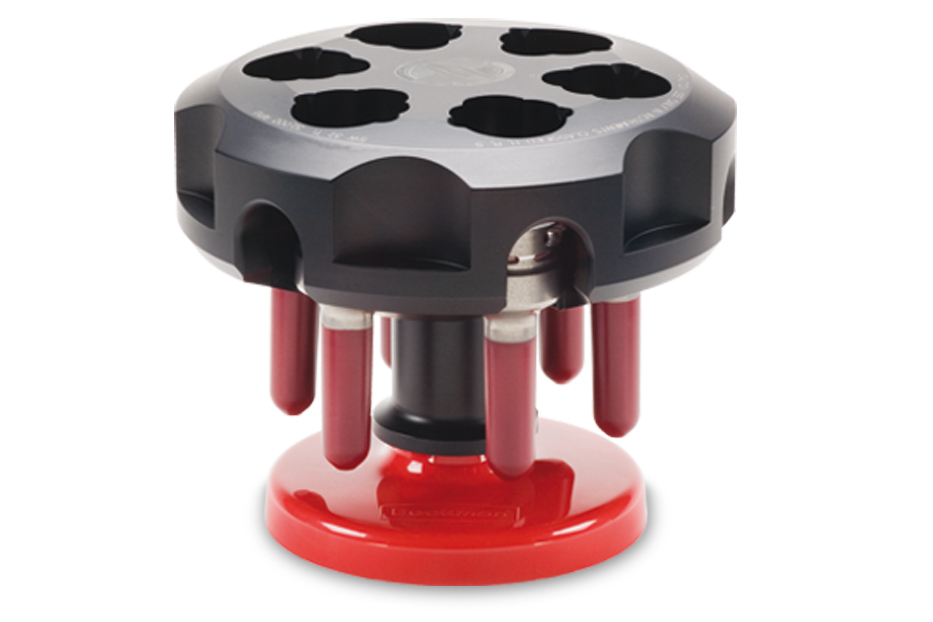
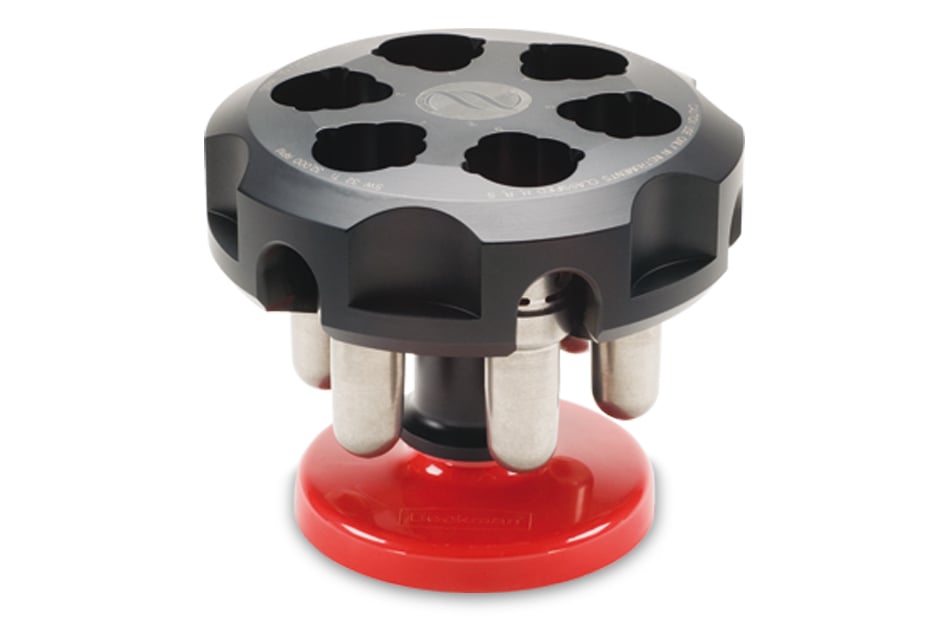
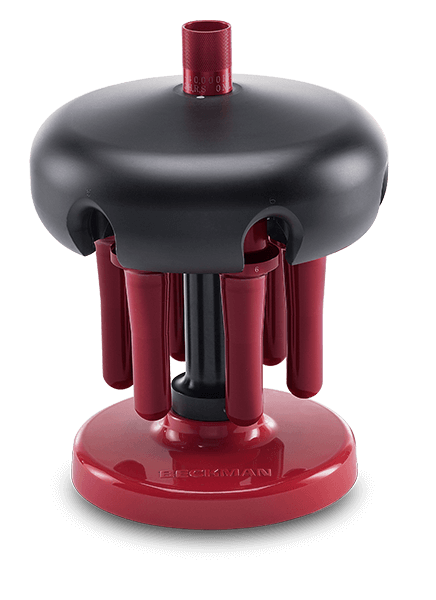
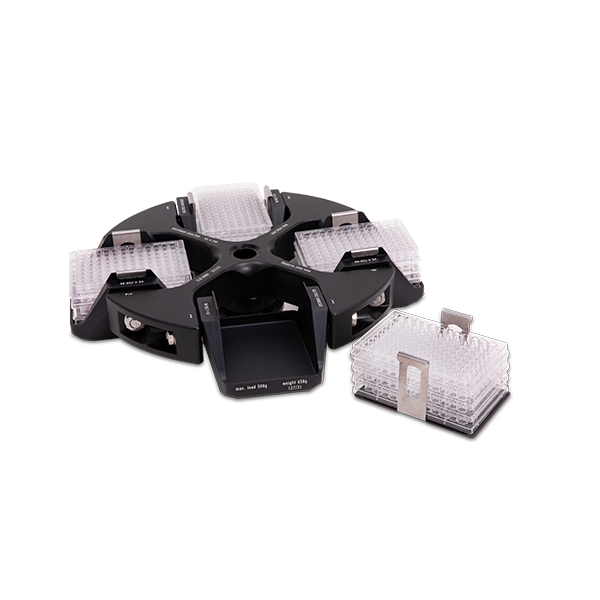
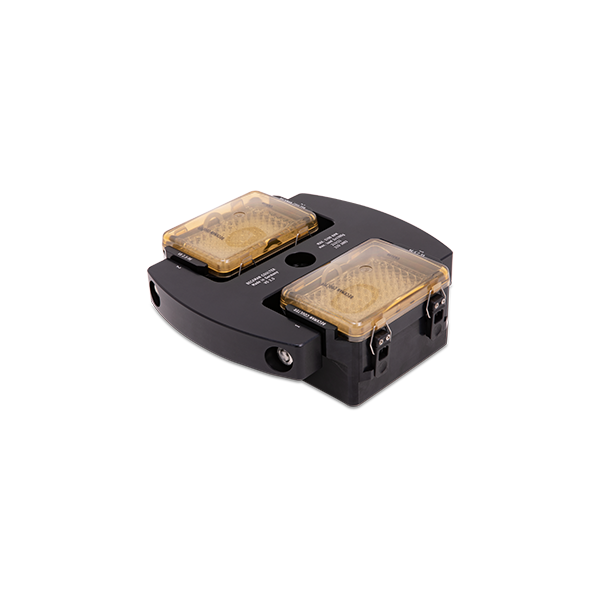
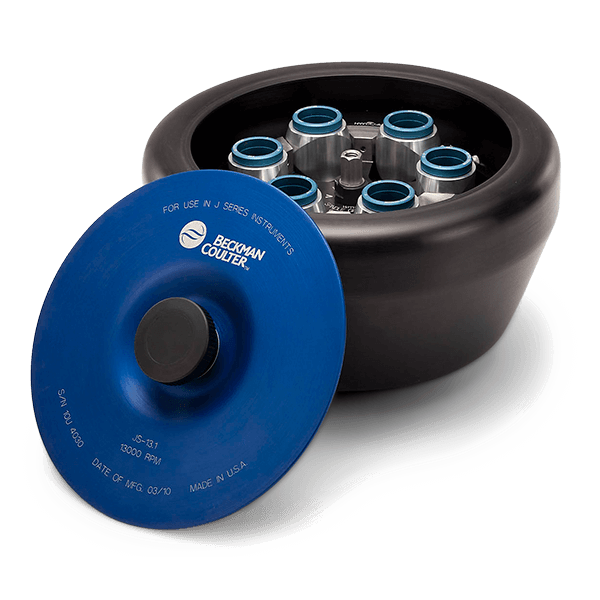
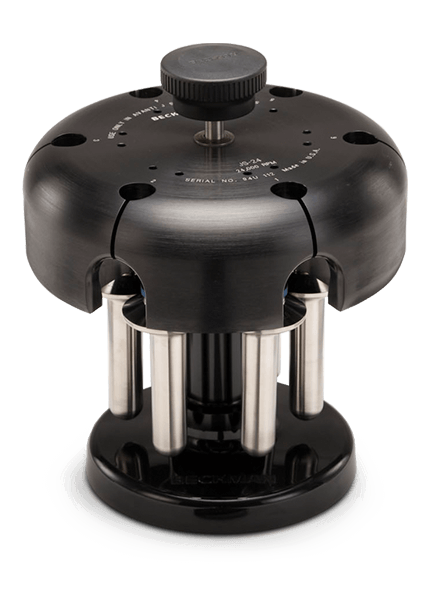
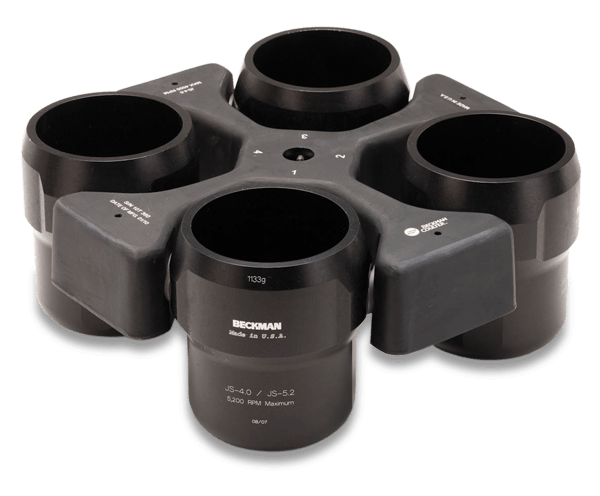
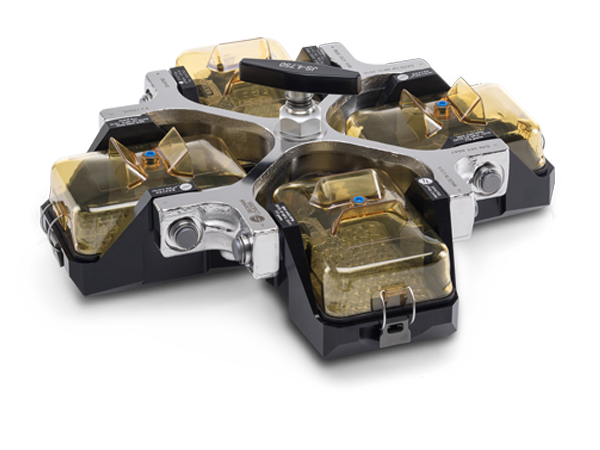
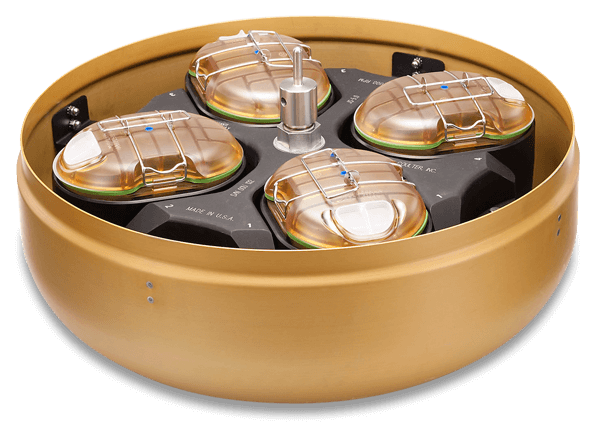
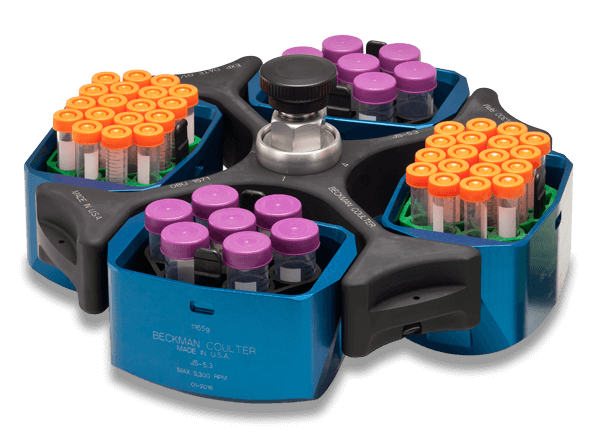
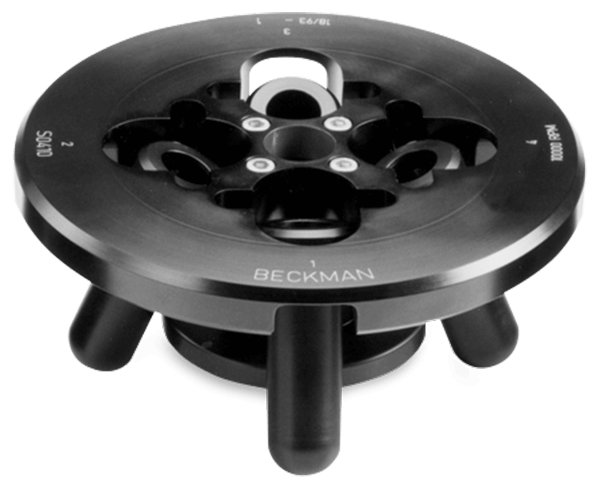
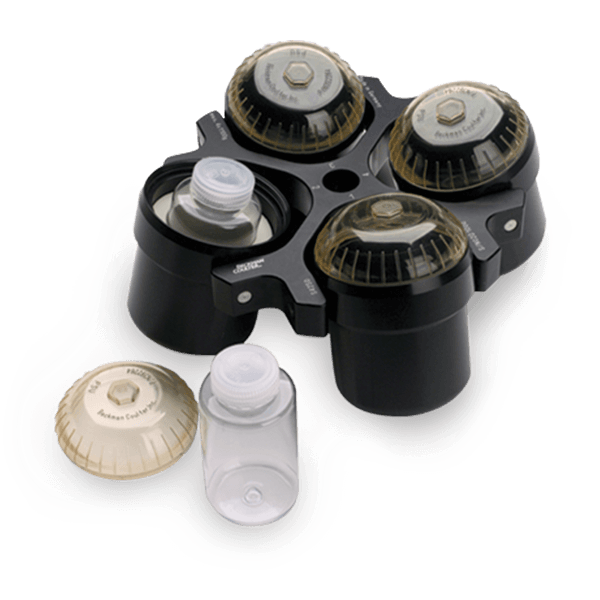
吊桶式离心机转子的功能特色为路径长度全长、慢速运行时间以及优异的分辨率。
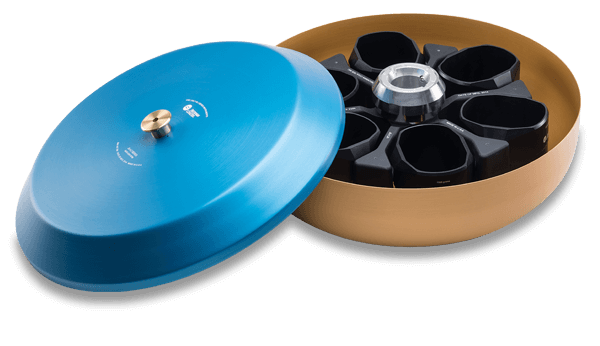
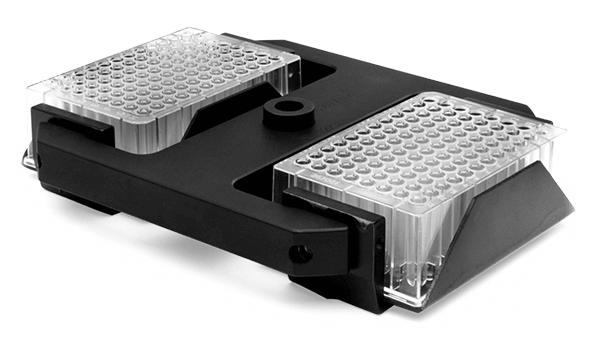
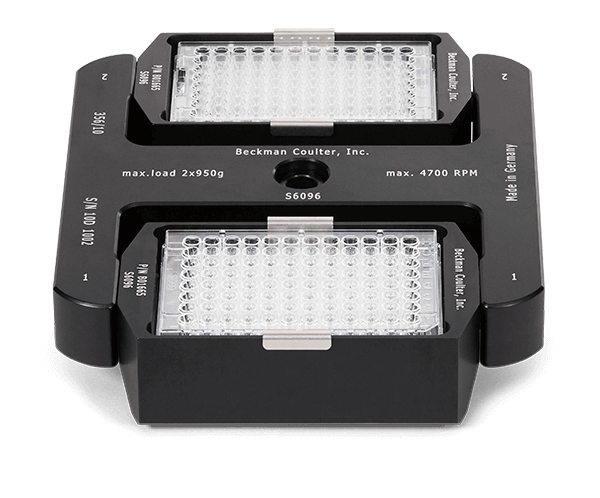
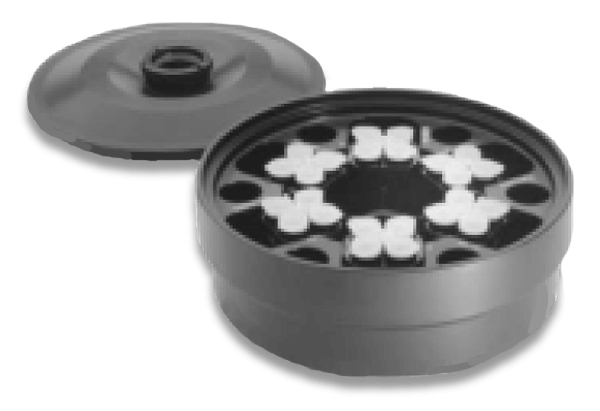
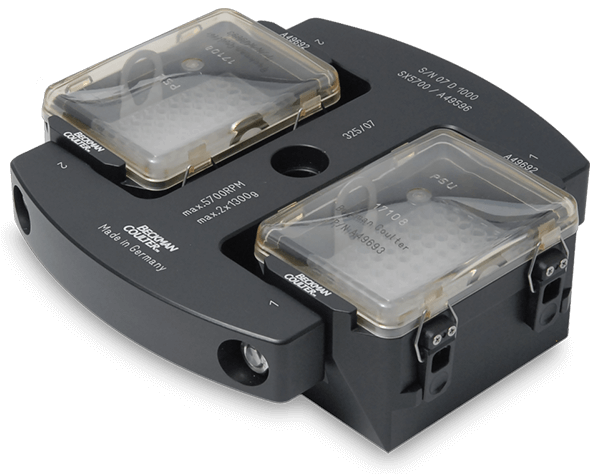
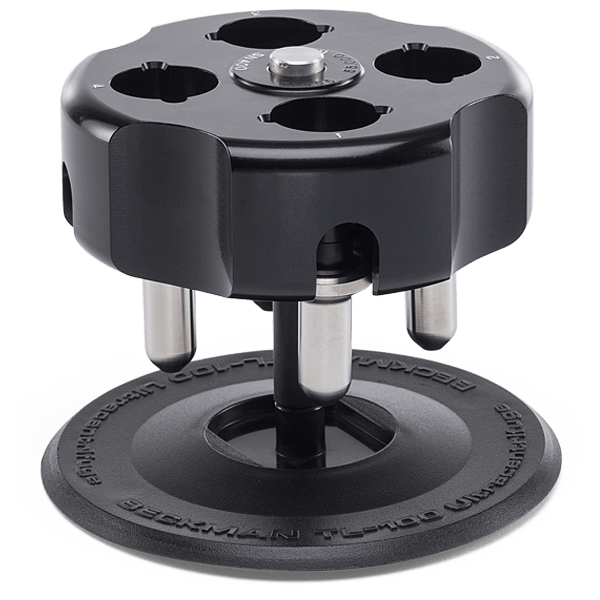
吊桶式转子允许离心管在运行时改变角度。停止时吊桶为垂直,而运行时则为水平。吊桶式转子的平行几何结构允许样本在密度梯度间移动不受阻碍,不同于定角几何结构,样本击打管壁并形成抹迹,而可能不利于分离。
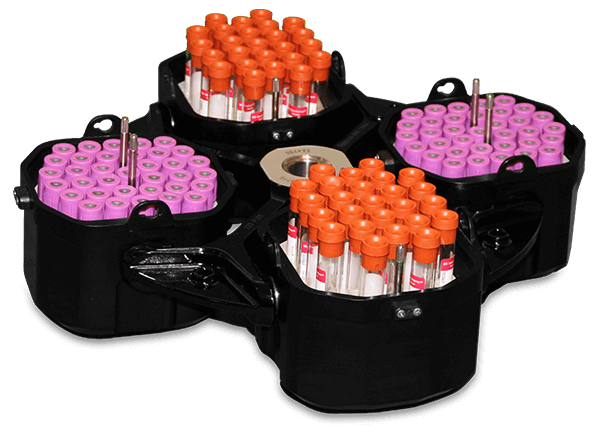
最适合以低速分离大量样本,当样本在速率区带 (密度) 梯度中分离时尤其有用。应用包括细胞组织培养处理、高通量方案,例如自生长介质、血液收集试管处理以及速率区带分离 (即是,根据大小或质量) 介质中收获全细胞。















FAQ on Swinging-Bucket Rotors
How does a swinging-bucket rotor work?
In a swinging-bucket rotor, sample tubes begin in a vertical position and gradually move to a horizontal position during centrifugation. This orientation allows particles to travel evenly through the sample, making swinging-bucket rotors especially suitable for density gradient separations and applications that require distinct sample layers.
What is the difference between a swinging-bucket rotor and a fixed-angle rotor?
A swinging-bucket rotor holds samples horizontally during centrifugation, making it well suited for density gradient separations and applications that require well-defined sample layers. They can also be used for pelleting and result in the pellet forming at the very bottom of the tube. A fixed-angle rotor keeps tubes at a constant angle and is typically preferred for rapid pelleting applications. The best choice depends on the separation objective and sample type.
What is a swinging-bucket rotor?
A swinging-bucket rotor is a centrifuge rotor that allows sample buckets to pivot during centrifugation. As rotational speed increases, the buckets swing outward into a horizontal position, creating a consistent linear sedimentation path that supports efficient sample separation.
What applications are swinging-bucket rotors commonly used for?
Swinging-bucket rotors are frequently used for density gradient centrifugation, blood processing, bioprocessing workflows, and when highly purified samples are required . They are often selected when maintaining sample integrity and achieving high separation quality are important.
Why use a swinging-bucket rotor for density gradient centrifugation?
Density gradient centrifugation requires samples to separate into distinct layers based on density. Because swinging-bucket rotors position tubes horizontally during operation, they help create uniform gradients and well-defined sample bands, making them a preferred choice for many gradient-based separation workflows.


