
Airfuge 转子
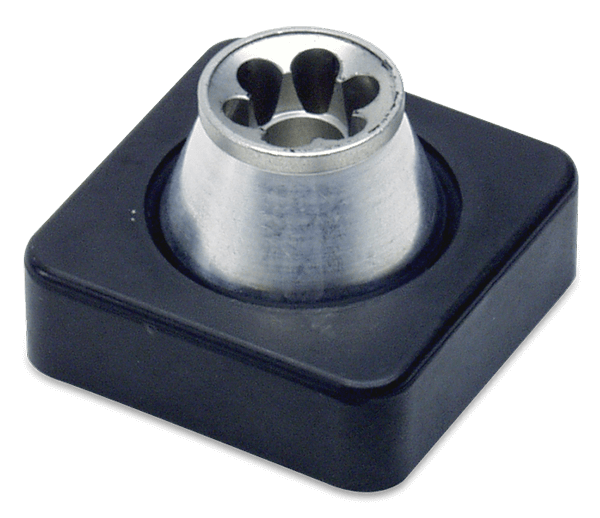
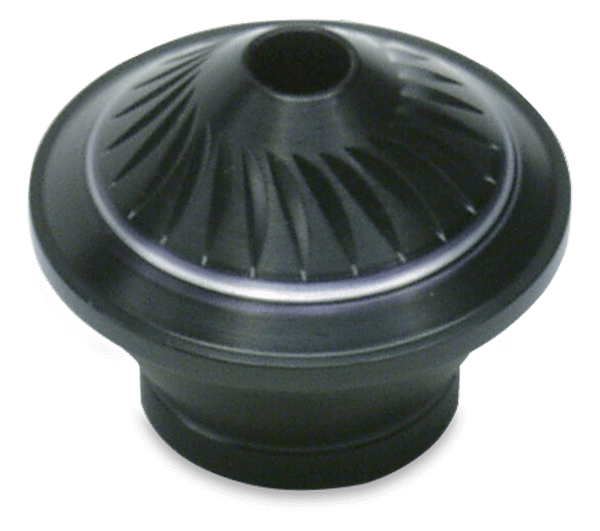
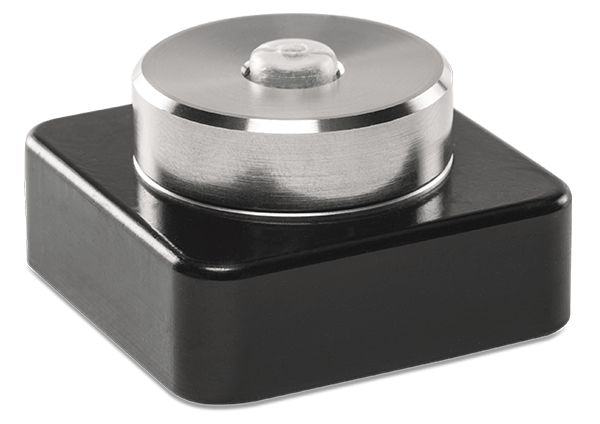
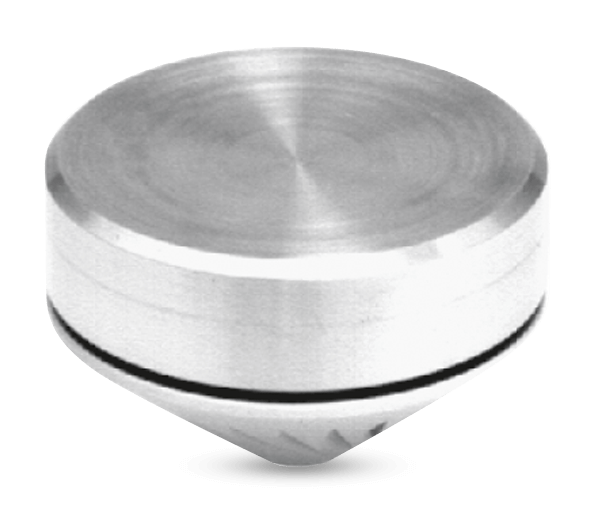
可用于沉淀小颗粒,如蛋白质和病毒,或用于分离微粒体组分和血浆膜。Airfuge® 转子可产生离心力,以沉淀亚细胞组分或分离微粒体组分和血浆膜。此外,它们还可用于通过乳糜微粒浮选澄清少量脂血血清。



FAQ on Airfuge Rotors
What types of particles can be separated with Airfuge rotors?
Airfuge rotors can be used to isolate proteins, viruses, lipoproteins, membrane fractions, microsomes and other small biological particles that require high centrifugal force for efficient separation.
Can Airfuge rotors be used for virus isolation?
Yes. Airfuge rotors are commonly used for the concentration and isolation of viruses and other small biological particles from research samples, particularly when working with limited sample volumes.
What applications are Airfuge rotors commonly used for?
Airfuge rotors are commonly used for microsomal fractionation, plasma membrane preparation, lipoprotein separation, and other small-volume ultracentrifugation workflows.
Why use an Airfuge centrifuge for small-volume samples?
Airfuge systems are designed to process microliter-scale samples efficiently while conserving valuable material. Their ability to generate high centrifugal forces in a compact format makes them useful for rapid particle separation and concentration workflows.
What is the difference between an Airfuge rotor and a conventional ultracentrifuge rotor?
Conventional ultracentrifuge rotors are generally designed for larger sample capacities and dedicated ultracentrifuge platforms. Airfuge rotors are optimized for rapid processing of small sample volumes while still providing the high centrifugal forces required for particle recovery and fractionation.
What is an Airfuge rotor?
An Airfuge rotor is a rotor designed for use with Airfuge centrifuge systems, enabling rapid separation and pelleting of small biological particles from microliter-scale sample volumes. These rotors are commonly used when high centrifugal force and fast processing times are required.
How does an Airfuge centrifuge work?
An Airfuge centrifuge uses compressed air to drive the rotor at very high speeds, generating centrifugal forces capable of separating and concentrating small particles from biological samples. This design enables rapid processing without the need for a traditional ultracentrifuge system.


